


Table of contents
1. Understanding the Cultural Landscape in Moscow
2. Cultural Sensitivity in Teaching English
3. Incorporating Russian Culture in English Lessons
4. Conclusion
When teaching English in Moscow, it is essential to consider the cultural nuances that shape the learning experience for students. Understanding the cultural landscape of Moscow can help teachers tailor their lessons to better resonate with their students, creating a more engaging and effective learning environment.
Understanding the Cultural Landscape in Moscow
Moscow, the capital city of Russia, is a vibrant metropolis that blends rich history with modern influences. Russian culture is deeply rooted in traditions, literature, art, and music, which play a significant role in shaping the identity of its people. It is important for English teachers to familiarize themselves with these cultural aspects to establish a connection with their students and create a more meaningful learning experience.
Cultural Sensitivity in Teaching English
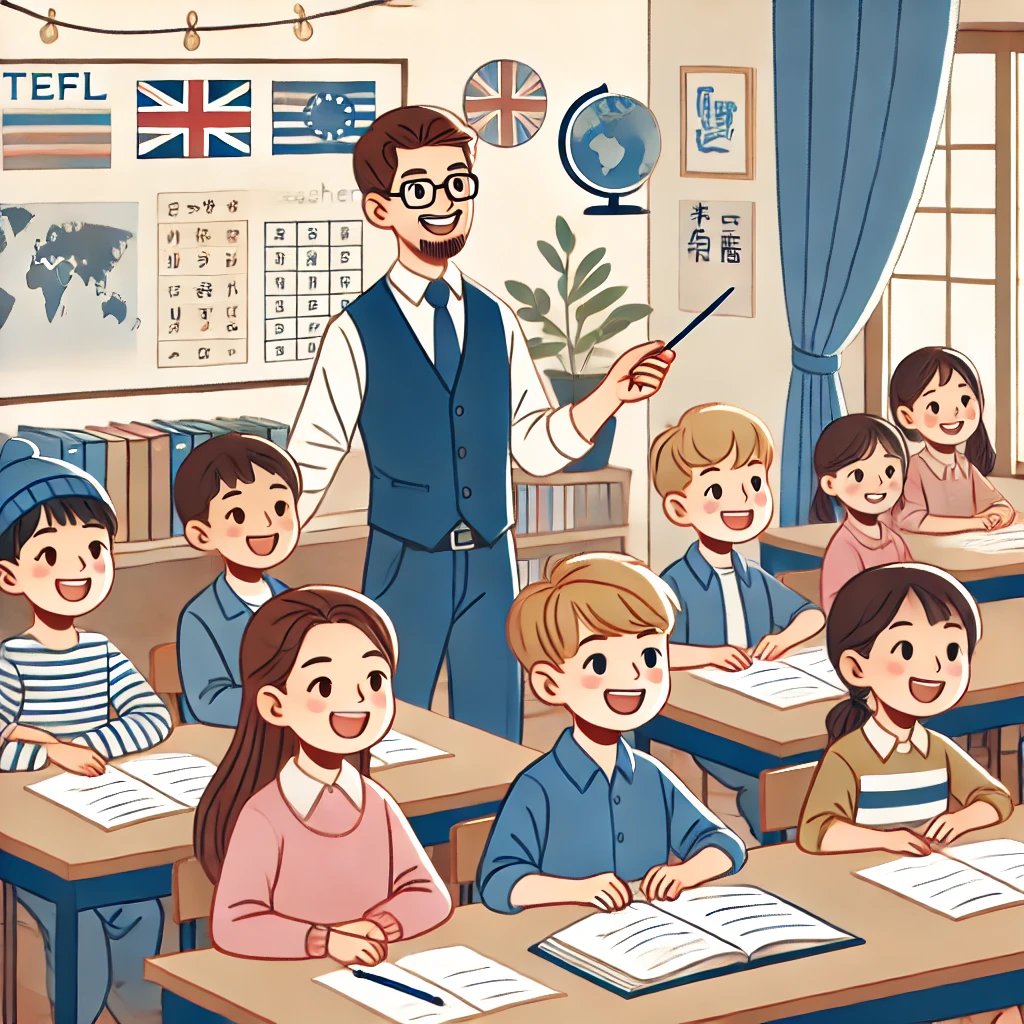
Cultural sensitivity is crucial when teaching English in Moscow, as it helps build rapport and understanding between teachers and students. Being aware of cultural differences, norms, and values can prevent misunderstandings and promote effective communication in the classroom. By showing respect for the Russian culture and language, teachers can create a supportive and inclusive learning environment for all students.
Incorporating Russian Culture in English Lessons
Incorporating elements of Russian culture into English lessons can enhance students' language learning experience and foster a deeper appreciation for the language. Teachers can use Russian literature, music, and art as teaching tools to engage students and provide cultural context to language lessons. By integrating cultural references, teachers can make the learning process more relevant and engaging for students in Moscow.

Conclusion
Teaching English in Moscow offers a unique opportunity to explore the intersection of language and culture. By understanding the cultural landscape, practicing cultural sensitivity, and incorporating Russian culture into lessons, teachers can create a dynamic and enriching learning environment for their students. Embracing cultural differences and celebrating diversity can lead to more effective communication and a deeper connection between teachers and students in Moscow.